 All Posts


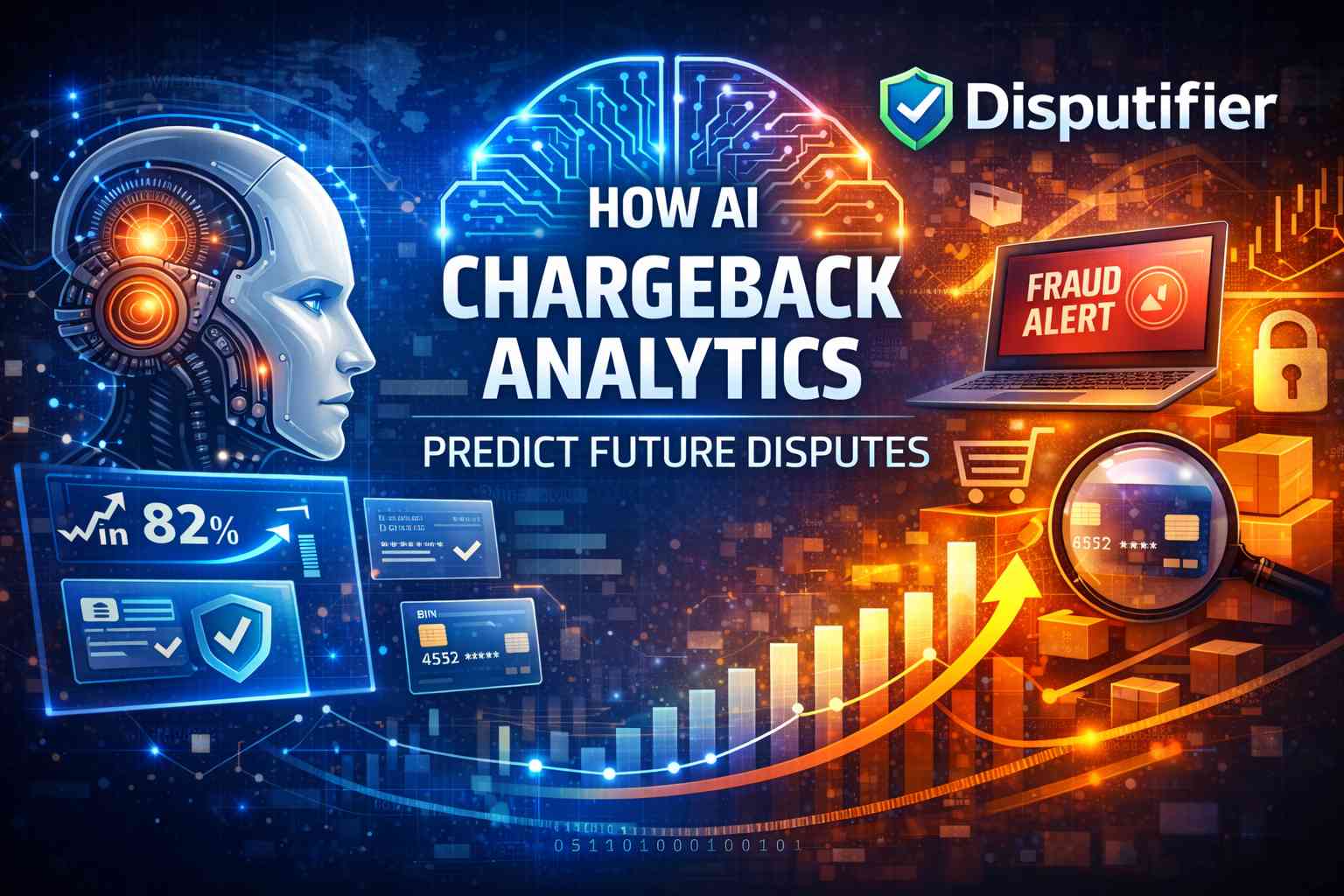
AI chargeback analytics is changing how ecommerce brands think about disputes. Instead of reacting after a chargeback hits, merchants can now predict where disputes are most likely to occur and stop them before they escalate.
Traditional chargeback reporting only tells you what already happened. Predictive chargeback analytics tells you what is likely to happen next. That shift matters for ecommerce businesses operating at scale, especially those processing international orders, selling digital goods, or managing multiple payment providers.
This post breaks down how AI chargeback analytics works, what data actually matters, and how platforms like Disputifier turn dispute data into a predictive system that reduces fraud, protects merchant accounts, and improves win rates.
What AI Chargeback Analytics Really Does
AI chargeback analytics uses machine learning to analyze historical dispute data, transaction behavior, issuer patterns, and customer signals to forecast future risk.
Instead of static dashboards, predictive systems learn continuously from outcomes. Every dispute, win, loss, refund, and alert improves the model.
AI chargeback analytics focuses on three core objectives:
• Identifying transactions most likely to turn into disputes
• Detecting repeatable patterns behind chargebacks
• Feeding insights back into prevention and automation workflows
This approach builds on the foundation explained in AI Chargeback Management: How Machine Learning Increases Win Rates, where machine learning turns dispute handling from reactive to predictive.
Why Historical Chargeback Reports Are Not Enough
Most merchants rely on backward-looking reports. These show dispute volume, reason codes, and recovery rates after damage has already happened.
That data helps with compliance but doesn’t prevent the next wave of disputes.
AI chargeback analytics goes deeper by correlating outcomes across variables like:
• Issuing bank behavior
• BIN-level risk trends
• Transaction velocity and timing
• Shipping confirmation reliability
• Customer communication patterns
• Payment method performance
This is how brands uncover the root causes behind disputes, not just surface-level reasons. Disputifier expands on this data-to-action loop in Chargeback Analytics: Find Root Causes and Reduce Fund Holds, including how smarter analytics can reduce payout disruption.
How Predictive Chargeback Analytics Identifies Future Risk
Predictive chargeback analytics relies on pattern recognition at scale.
Machine learning models compare current transactions against past disputes to flag similarities that often predict outcomes long before a chargeback is filed.
Predictive models can identify:
• Specific issuing banks with higher dispute approval rates
• Product SKUs tied to friendly fraud patterns
• Regions where shipping delays trigger disputes
• Payment flows that escalate into pre-arbitration more often
Once you spot these patterns, you can harden prevention and tighten workflows before disputes spike. If you’re building structured ops around this, the templates and triggers in the Chargeback Playbook for Ecommerce help turn analytics insights into repeatable action.
The Role of BIN Data in AI Chargeback Analytics
BIN data plays a major role in predictive dispute modeling.
BIN numbers reveal issuing bank, card type, region, and risk behavior. When paired with historical outcomes, BIN intelligence helps AI systems anticipate dispute behavior at the issuer level.
Disputifier integrates BIN intelligence into its analytics engine and shows how this feeds both fraud prevention and dispute strategy in How Disputifier Combines Free BIN Checker With AI for Better Fraud Protection.
If you want to see issuer-level insights in real time, you can test Disputifier’s free BIN checker to understand how banks and regions influence risk and dispute behavior.
For a deeper breakdown of how BIN data impacts payouts and risk scoring, Disputifier’s guide on BIN numbers explained is worth referencing when you’re building your risk rules.
Turning Analytics Into Prevention, Not Just Reporting
AI chargeback analytics only creates value when it feeds action.
Predictive insights should directly influence:
• Fraud prevention rules
• Checkout verification logic
• Shipping confirmation requirements
• Customer communication workflows
• Alert and refund strategies
When you connect analytics to intervention, you create a feedback loop where each dispute teaches your system how to prevent the next one. That combined approach is exactly what’s outlined in Ecommerce Fraud Prevention Strategy: How AI, BIN Data, and Alerts Work Together.
If you’re using alerts as part of your prevention flow, the practical setup steps in Prevent Chargebacks With Real-Time Alerts help ensure analytics actually turns into prevention.
How AI Chargeback Analytics Improves Win Rates
Predictive analytics doesn’t just prevent disputes. It also improves recovery.
AI models evaluate which disputes you’re most likely to win and prioritize those cases automatically. This increases efficiency and avoids wasting effort on low-probability disputes.
This win-probability approach aligns with the data in How Often Do Merchants Win Chargebacks, especially when you combine analytics scoring with better evidence selection.
And if your team still builds evidence manually, it’s worth aligning your process with network expectations using What Counts as Compelling Evidence by Reason Code so your submissions match what issuers actually approve.
Where Most Ecommerce Brands Get Analytics Wrong
Many merchants invest in dashboards but don’t act on the data.
Common mistakes include:
• Treating all disputes equally
• Ignoring issuer behavior
• Over-fighting low-value disputes
• Under-investing in prevention signals
• Using analytics only for reporting
AI chargeback analytics solves this by connecting insight to automation and workflow. If you’re still stuck in spreadsheets and inbox routing, the shift is laid out clearly in Dispute Management Software vs Manual Workflows.
Why Disputifier Is Built for Predictive Chargeback Analytics
Disputifier is a chargeback management and fraud prevention platform designed to turn dispute data into actionable intelligence.
Rather than offering isolated reporting, Disputifier connects AI chargeback analytics to the entire dispute lifecycle so merchants can predict risk, prevent chargebacks, and improve recovery without adding operational headcount.
Disputifier combines:
• Predictive dispute scoring based on historical outcomes
• BIN-level issuer intelligence built into analytics
• Automated prioritization of high-probability disputes
• Root-cause analytics tied directly to prevention workflows
• Real-time alerts to stop disputes before filing
This matters because chargebacks impact more than refunds. They influence processor trust, payout stability, and rolling reserve risk. For brands dealing with PayPal or subscription-heavy models, automation and analytics also play a key role in reducing reserve pressure, as explained in PayPal Chargeback Automation.
If you want to evaluate what a modern dispute stack should include, Disputifier’s guide on chargeback automation software for ecommerce pairs well with its broader breakdown of ecommerce chargeback prevention tools.
Analytics That Protect Merchant Accounts and Payouts
Chargeback analytics directly affect account health.
Predictive insights help merchants stay below critical thresholds by reducing dispute volume and focusing effort on recoverable cases. This supports long-term stability and helps merchants avoid fund holds.
If payouts have already become unpredictable, it’s also worth understanding processor behavior, especially for Stripe and Shopify merchants. Disputifier covers this clearly in Why Stripe and Shopify Hold Funds.
Take Control of Future Chargebacks
Chargebacks don’t appear randomly. They follow patterns.
AI chargeback analytics helps ecommerce brands uncover those patterns early, act faster, and scale without dispute chaos.
Disputifier gives merchants the tools to predict disputes, reduce fraud, and turn analytics into prevention. If you want a fast starting point, run a few recent transactions through the free BIN checker and compare issuer risk against your current chargeback outcomes.
FAQ: AI Chargeback Analytics
What is AI chargeback analytics?
AI chargeback analytics uses machine learning to analyze dispute and transaction data to predict future chargebacks based on issuer trends, customer behavior, and historical outcomes.
How is predictive chargeback analytics different from reporting?
Reporting shows past disputes. Predictive chargeback analytics forecasts future risk and helps merchants intervene earlier through automation, alerts, and workflow changes.
Can AI chargeback analytics improve win rates?
Yes. Predictive models prioritize disputes with stronger recovery probability and guide evidence selection so merchants focus effort where it pays off.
Does AI analytics help prevent chargebacks?
Yes. Predictive systems identify risk patterns in transactions and issuer behavior, allowing merchants to tighten fraud rules, improve communication, and use alerts before disputes file.
Is Disputifier only an analytics platform?
No. Disputifier combines AI chargeback analytics with automation, BIN intelligence, alerts, and evidence workflows so merchants can prevent disputes and recover revenue in one system.
Use Disputifier to Predict and Prevent Chargebacks in 3 Steps
Disputifier turns AI chargeback analytics into action by connecting data, automation, and prevention in one workflow.
Step 1: Centralize Your Dispute and Transaction Data
Disputifier pulls disputes, transaction details, issuer data, and BIN intelligence into a single system. This creates a complete view of chargeback behavior across payment methods, regions, and banks, instead of fragmented reports spread across tools.
Step 2: Apply Predictive Analytics and Risk Scoring
Disputifier’s AI analyzes historical outcomes to score dispute risk and win probability. The platform identifies patterns tied to issuing banks, transaction types, customer behavior, and fraud signals so you can spot future disputes before they file.
Step 3: Automate Prevention and Recovery Actions
Based on analytics insights, Disputifier automatically prioritizes disputes, triggers alerts, builds evidence packages, and feeds risk signals back into prevention workflows. This closes the loop between analytics, action, and outcomes so each dispute improves the system going forward.
The result is fewer chargebacks, higher win rates, and less manual work as your ecommerce business scales.