 All Posts


For ecommerce businesses, checkout fraud is one of the most expensive and stressful challenges to manage. Between stolen card data, friendly fraud, and international risk, merchants face constant pressure to balance a smooth checkout experience with strong fraud prevention.
Two technologies - tokenization and BIN intelligence - have become essential tools in this fight. Together, they help merchants secure transactions, identify risks in real time, and prevent chargebacks before they happen.
Here are five powerful ways tokenization and BIN data work together to cut fraud at checkout - and how Disputifier’s AI-powered system takes that protection even further.
1. Tokenization Protects Sensitive Card Data
Tokenization replaces a customer’s card number with a randomly generated string called a token. That token holds no usable value outside your system. Even if a hacker gains access to your database, they can’t reverse-engineer a token into an actual card number.
This technology keeps sensitive data off your servers and reduces your PCI compliance burden. It also prevents one of the most common sources of chargebacks - stolen card use.
By turning payment details into secure, one-time tokens, you eliminate exposure points where fraudsters could intercept or reuse data.
For example, if a returning customer checks out on your site using a saved payment method, tokenization ensures you’re processing a secure, tokenized reference, not the original card details.
2. BIN Intelligence Flags Suspicious Transactions in Real Time
While tokenization protects the data itself, BIN intelligence provides insight into who’s using it.
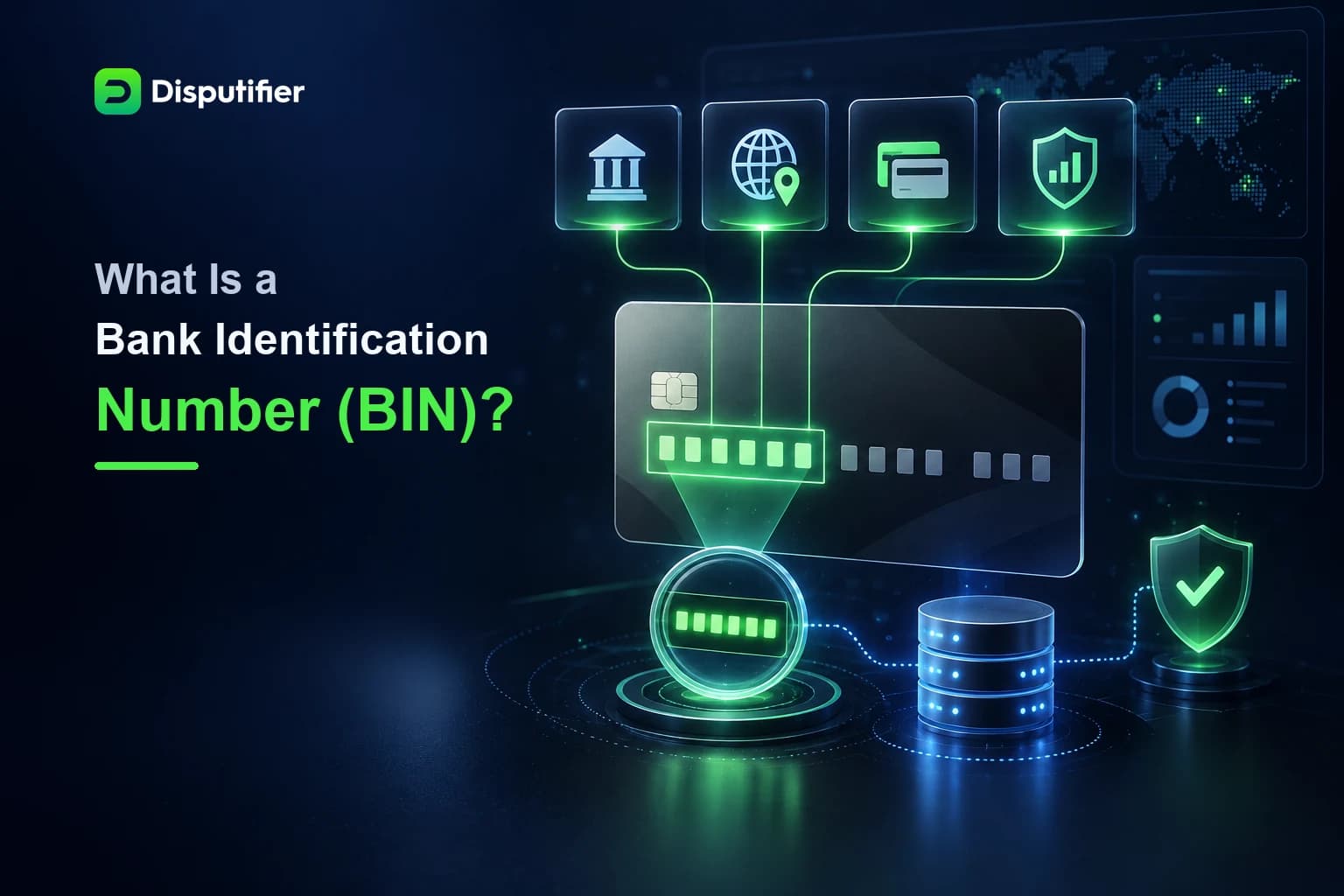
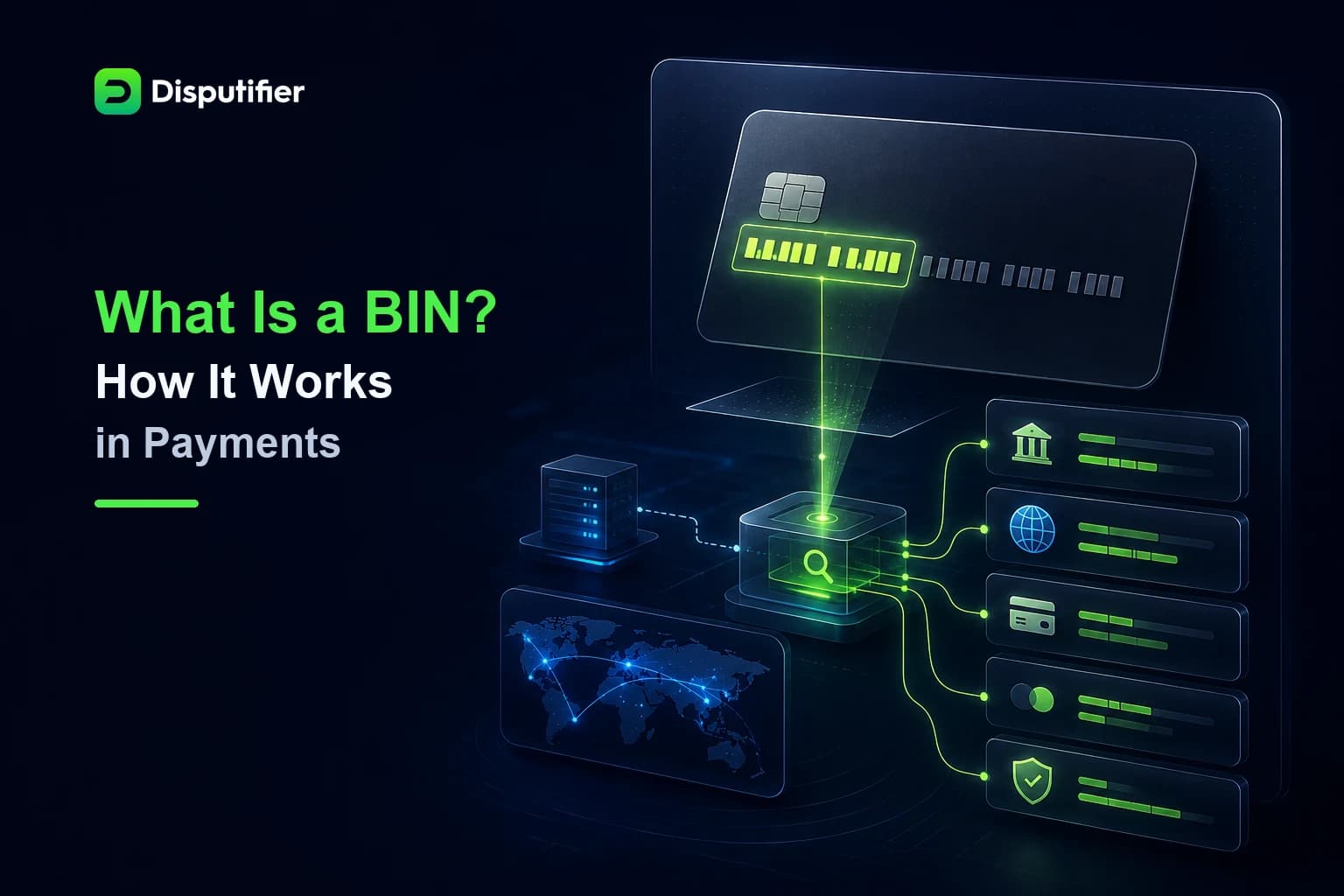
A BIN (Bank Identification Number) lookup reveals details about the issuing bank, card type, brand, and country. For example:
- Is the card issued in the same country as the shipping address?
- Is it a prepaid or virtual card, often used in fraudulent purchases?
- Does the card belong to a known corporate account?
If any of those data points look suspicious, you can automatically flag the transaction for review.
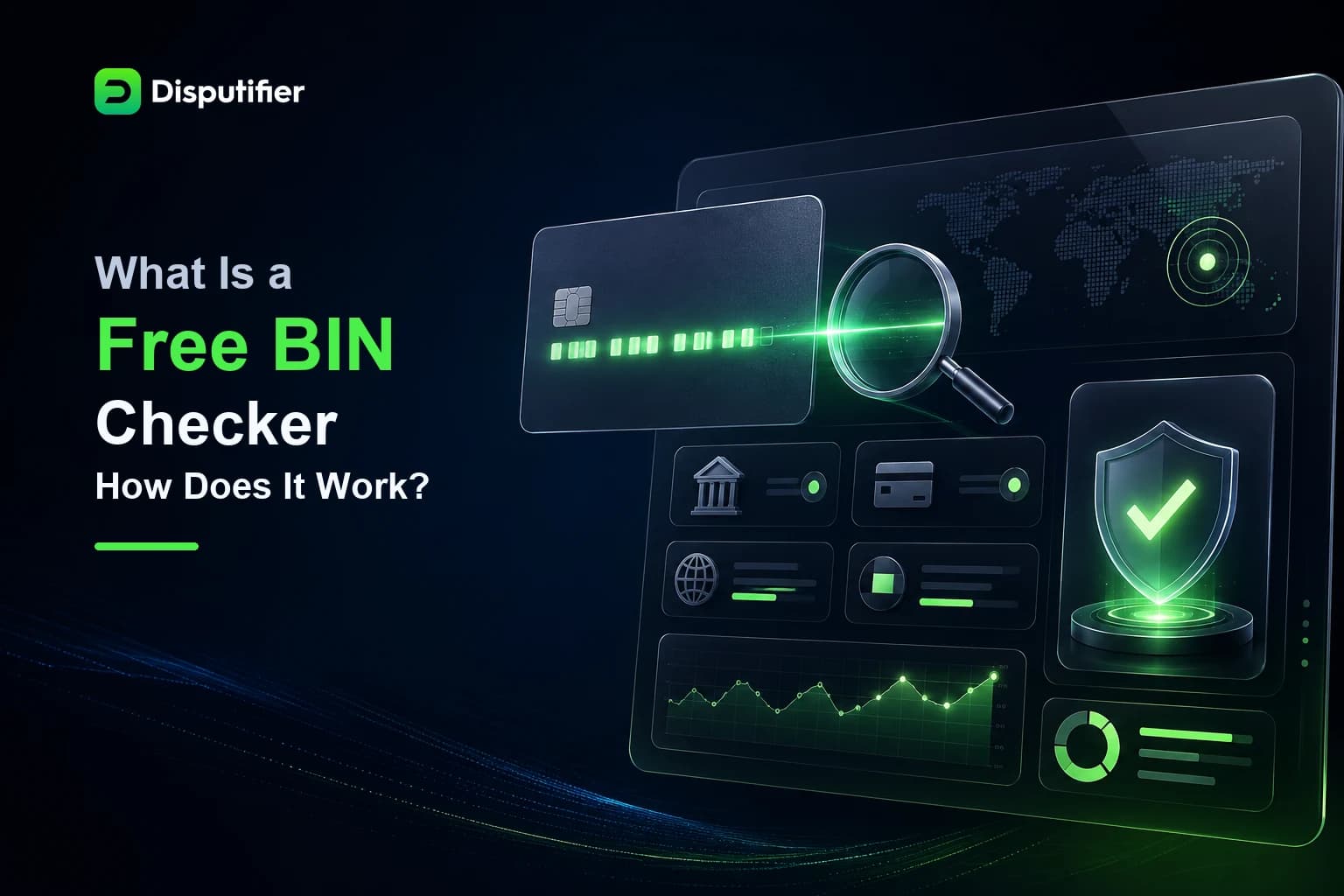
Disputifier’s Free BIN Lookup Tool gives merchants instant access to this data - and when combined with its AI-driven analytics, it identifies risky checkout behavior before payment is processed.
3. Together, They Create a Layered Defense System
Fraud prevention is never one-size-fits-all. The best ecommerce security systems use multiple layers of protection. Tokenization and BIN intelligence complement each other perfectly.
Here’s how:
- Tokenization keeps payment data safe from interception or misuse.
- BIN lookup verifies that the transaction itself makes sense based on the card’s origin, type, and behavior.
When combined, they help prevent both data theft and transaction-level fraud - two of the most common causes of chargebacks.
For international stores, this layered approach is especially powerful. Merchants selling across borders face greater exposure to card-not-present fraud. Pairing tokenized payments with BIN verification minimizes that risk.
For more insights on cross-border protection, see Chargeback Prevention for High-Risk Transactions: How to Handle International Orders.
4. Tokenization Builds Trust with Payment Processors
Your chargeback ratio is a key metric that payment providers watch closely. Too many disputes can trigger fund holds, account freezes, or even termination.
Tokenization directly contributes to a healthier chargeback ratio by preventing fraudulent transactions from entering your system in the first place. It’s not just about security - it’s about compliance and reputation.
Payment processors and card networks like Visa and Mastercard favor merchants who use tokenization, often granting them access to lower interchange rates and improved risk scores.
When paired with tools like Disputifier, which automates chargeback management and monitors dispute analytics, merchants can maintain compliance and protect their cash flow simultaneously.
See how Disputifier helps merchants reduce their ratio in How to Lower Your Chargeback Ratio Below 1%.
5. BIN and Token Data Power AI-Driven Fraud Prevention
The future of fraud prevention lies in automation - and this is where Disputifier excels.
By integrating tokenization and BIN intelligence into its system, Disputifier’s AI learns to recognize patterns in transaction data, helping merchants prevent disputes before they occur.
For instance, the system can automatically:
- Identify and block high-risk transactions using BIN and behavioral data
- Flag transactions from regions with historically higher fraud rates
- Detect mismatched billing and shipping countries
- Automate refund offers or customer communication before a dispute escalates
This proactive approach reduces the time merchants spend reacting to chargebacks and increases win rates when disputes do occur.
You can learn more about how Disputifier merges AI and BIN tools in How Disputifier Combines Free BIN Checker with AI for Better Fraud Protection.
Why Disputifier Is Essential for Modern Ecommerce
Disputifier isn’t just another chargeback management platform - it’s a full-service automation system designed for ecommerce growth.
Here’s what sets it apart:
- AI-powered automation that prevents and fights chargebacks faster than manual teams
- Integrated BIN intelligence that analyzes card data instantly for better fraud insights
- RDR and alert network integration that prevents disputes before they reach chargeback stage
- Custom dashboards for dispute analytics and performance tracking
- Free BIN lookup tool to instantly verify card information without extra cost
Disputifier combines what merchants need most - prevention, insight, and automation - in one platform.
Ecommerce is moving too fast for manual fraud reviews and reactive dispute handling. With Disputifier, your business gains predictive protection powered by tokenization, BIN data, and AI.
When to Implement Tokenization and BIN Intelligence
If your ecommerce business processes over a few hundred transactions per month, or if you’ve recently seen an uptick in fraud-related chargebacks, now is the time to implement tokenization and BIN intelligence.
You don’t need to overhaul your entire checkout system overnight. Start with:
- Using the Free BIN Lookup Tool for manual risk screening.
- Adding tokenization to your payment gateway or processor setup.
- Integrating Disputifier to automate fraud detection and dispute management.
These three steps can cut checkout fraud dramatically while improving customer trust and payment security.
FAQ: Tokenization and BIN Intelligence
What is tokenization for chargeback prevention?
Tokenization replaces real card data with secure digital tokens, preventing hackers from stealing sensitive payment information and reducing fraudulent chargebacks.
Can BIN lookup detect stolen cards?
BIN data alone can’t detect stolen cards, but when combined with AI and transaction monitoring (like in Disputifier), it can flag suspicious behavior linked to high-risk issuers or regions.
Do I need a paid BIN tool?
For small merchants, a free BIN checker works well. Larger brands benefit from paid or integrated tools that offer automation and real-time API access, like those built into Disputifier.
How do tokenization and BIN data work together?
Tokenization protects card data, while BIN data provides insights about the transaction itself. Combined, they prevent data theft and stop risky purchases.
Does Disputifier support tokenization?
Yes. Disputifier integrates tokenized payment data with AI analytics to deliver complete fraud protection and dispute automation.
Protect Your Checkout with Disputifier
Fraud prevention isn’t just about stopping losses - it’s about enabling growth. Tokenization and BIN intelligence are the foundation, but automation turns them into your competitive advantage.
Disputifier helps ecommerce merchants transform their checkout from a risk zone into a data-driven fraud shield - saving time, money, and reputation.
Start by using the Free BIN Lookup Tool and discover how Disputifier’s AI-driven fraud protection can reduce chargebacks, strengthen trust, and safeguard every transaction.