 All Posts


Starting an ecommerce business no longer requires massive upfront investment. Thanks to modern technology and automation, beginners with small budgets can launch profitable ventures quickly. Whether you’re interested in dropshipping, digital products, or niche services, there are plenty of low-cost ecommerce business ideas that don’t break the bank.
But even low-cost businesses face risks like fraud and chargebacks. That’s why every new store owner needs to combine smart business models with tools like Disputifier that protect revenue and simplify operations.
Why Low-Cost Ecommerce Businesses Work for Beginners
Low-cost ecommerce ideas are ideal for entrepreneurs because they minimize financial risk. You don’t need to buy inventory upfront, lease physical space, or hire large teams. Most businesses can be run from home with just a laptop and internet connection.
At the same time, ecommerce is booming globally. Consumers are comfortable buying everything from physical goods to digital subscriptions online. With the right idea and a lean setup, you can carve out a profitable niche without heavy investment.
Dropshipping: The Classic Low-Cost Model
Dropshipping is one of the most popular ecommerce business ideas for beginners. You sell products directly from suppliers who handle inventory and shipping.
How to Start Dropshipping
- Choose a niche market with demand but not overwhelming competition.
- Build a Shopify or WooCommerce store.
- Partner with reliable suppliers who offer quality products.
- Market your store through social media, ads, and content.
Since you don’t need to purchase inventory, upfront costs stay low. However, dropshipping businesses are vulnerable to customer disputes. Late shipments or mismatched expectations can lead to chargebacks. That’s where chargeback prevention strategies for friendly fraud become essential.
Selling Digital Products
Digital goods like ebooks, templates, courses, or stock photography are another low-cost idea. Once created, they can be sold endlessly without manufacturing or shipping costs.
How to Start Selling Digital Products
- Identify a skill or expertise you can package into digital content.
- Use platforms like Gumroad, Shopify, or your own website to sell.
- Automate delivery with email integrations.
Digital products reduce overhead but often lead to disputes around “services not rendered.” Customers may claim they didn’t receive the product even if it was delivered. For tips, see chargebacks for services not rendered.
Subscription Boxes or Services
Subscription models are growing fast because they provide recurring revenue. Beginners can start small, curating niche boxes (like eco-friendly goods or artisan snacks) or offering subscription-based digital services.
The challenge with subscriptions is recurring billing disputes. Customers may forget about charges and file disputes, leading to higher chargeback ratios. Automation tools like Disputifier prevent these issues by monitoring renewals and responding quickly when disputes arise.
Print-on-Demand Businesses
Print-on-demand lets you sell custom products like t-shirts, mugs, or posters without buying inventory. Suppliers print and ship items only after a customer places an order.
How to Start Print-on-Demand
- Choose a product line and design custom graphics.
- Set up your store on Shopify, Etsy, or another marketplace.
- Integrate with suppliers like Printful or Printify.
While it’s low-cost, print-on-demand can suffer from customer complaints over quality or shipping times. Disputes here often lead to lost revenue if merchants don’t have strong documentation. That’s why compelling evidence in chargeback disputes is critical.
Affiliate Marketing
Affiliate marketing allows you to promote products from other brands and earn commissions on sales. You don’t handle inventory or payments, making it one of the lowest-cost ecommerce ideas.
How to Start Affiliate Marketing
- Pick a niche that matches your audience.
- Create content (blogs, videos, social media) that drives traffic.
- Sign up for affiliate programs like Amazon Associates or niche networks.
Although you won’t face direct chargebacks as an affiliate, understanding ecommerce risks is still valuable. For example, merchants you promote need tools like real-time chargeback alerts to protect their revenue, which you can highlight in your content.
Cost and Profit Breakdown for Each Business Model
Dropshipping
- Startup Cost: $100-$500 (store setup, domain, initial ads)
- Profit Margin: 10-30% per sale
- Scalability: High, but requires strong supplier relationships.
- Risk: Chargebacks from delayed or missing orders. Use real-time chargeback alerts to prevent disputes.
Digital Products
- Startup Cost: $50-$200 (design tools, hosting, store setup)
- Profit Margin: 80-95% (very high since products are digital)
- Scalability: Unlimited sales potential.
- Risk: Disputes over “services not rendered.” Learn how to handle them in this guide.
Subscription Boxes/Services
- Startup Cost: $300-$1,000 (products, packaging, logistics)
- Profit Margin: 20-50% depending on niche.
- Scalability: Moderate to high with recurring billing.
- Risk: Friendly fraud and forgotten renewals. See strategies here.
Print-on-Demand
- Startup Cost: $100-$400 (design software, store setup, samples)
- Profit Margin: 15-30% depending on volume.
- Scalability: High with viral designs.
- Risk: Chargebacks tied to product quality disputes. Use compelling evidence to fight them.
Affiliate Marketing
- Startup Cost: $0-$200 (website, hosting, marketing)
- Profit Margin: 5-30% commission per sale
- Scalability: High if you build traffic consistently.
- Risk: Minimal direct chargebacks, but understanding chargeback prevention helps partners.
Beginner Mistakes to Avoid
- Ignoring Fraud Prevention
Many new store owners think fraud happens only to big brands. In reality, startups are prime targets. Use tools like Disputifier’s free BIN checker to verify risky orders. - Choosing Oversaturated Niches
Dropshipping or POD businesses fail quickly if they sell the same products as everyone else. Beginners should focus on micro-niches with passionate buyers. - Not Tracking Deadlines
Missing the chargeback time limit or pre-arbitration deadline automatically loses disputes. Automation prevents this. - Underpricing Products
Beginners often cut prices too much to compete. This leaves no room for profit, especially after ad spend and fees. - Failing to Communicate With Customers
Poor communication leads to unnecessary disputes. Clear refund policies and proactive updates reduce chargebacks. See how customer communication records strengthen your case.
How to Launch a Low-Cost Ecommerce Business
- Pick Your Idea: Choose between dropshipping, digital products, subscriptions, POD, or affiliate marketing.
- Validate Demand: Use market research to confirm people want your product.
- Set Up Your Store: Platforms like Shopify make setup simple.
- Secure Payments: Choose processors like Stripe or PayPal.
- Protect Against Fraud: Integrate prevention tools from day one.
- Market Your Business: Leverage social media, SEO, and paid ads.
Even with small budgets, new merchants must plan for fraud. International orders, recurring billing, and friendly fraud disputes can quickly eat into profit margins.
Why Disputifier Is Essential for Beginners
New ecommerce owners often underestimate how damaging chargebacks can be. Even a few disputes can freeze your merchant account or cut off payment processing. That’s why using a tool like Disputifier is not optional - it’s essential.
How Disputifier Helps
- Automated Chargeback Responses: Evidence is gathered and submitted instantly.
- AI-Powered Fraud Prevention: Monitors transactions for high-risk behavior.
- Integrated Free BIN Checker: Verifies issuing bank details to block risky transactions (see how free BIN lookup helps reduce fraud).
- Deadline Management: Tracks chargeback time limits and pre-arbitration deadlines.
- Cross-Border Protection: Safeguards international orders.
For beginners, this means you don’t need a large fraud team or manual processes. Disputifier’s automation ensures disputes are managed while you focus on growing your store.
Expanded FAQs
What’s the cheapest ecommerce business to start?
Affiliate marketing and digital products have the lowest upfront costs.
Which low-cost idea makes the most money?
Dropshipping and subscription boxes offer strong scalability when marketed effectively.
Do I need fraud prevention for a small business?
Yes, even a few chargebacks can freeze accounts. Tools like Disputifier protect you from the start.
How fast can I start a low-cost ecommerce business?
With platforms like Shopify, you can launch in days. Marketing and scaling take longer.
Do I need a business license to start a low-cost ecommerce store?
It depends on your location and model. In most cases, you can start as a sole proprietor, but registering formally helps with scaling and payment processing.
Which platforms are best for beginners?
Shopify and WooCommerce are the most beginner-friendly for dropshipping, POD, and digital products. For affiliate marketing, WordPress blogs work well.
How do I handle refunds to avoid disputes?
Offer easy refund policies and use chargeback vs refund best practices. Prevent disputes by resolving issues directly with customers before they escalate.
What payment methods should I offer?
Always provide major credit cards and PayPal. But be ready for PayPal disputes. Use Disputifier to manage them automatically.
How do I handle international orders on a budget?
International orders carry higher fraud risk. Use chargeback prevention strategies for high-risk transactions and AI-powered tools like Disputifier to verify cross-border sales.
What if I lose a chargeback?
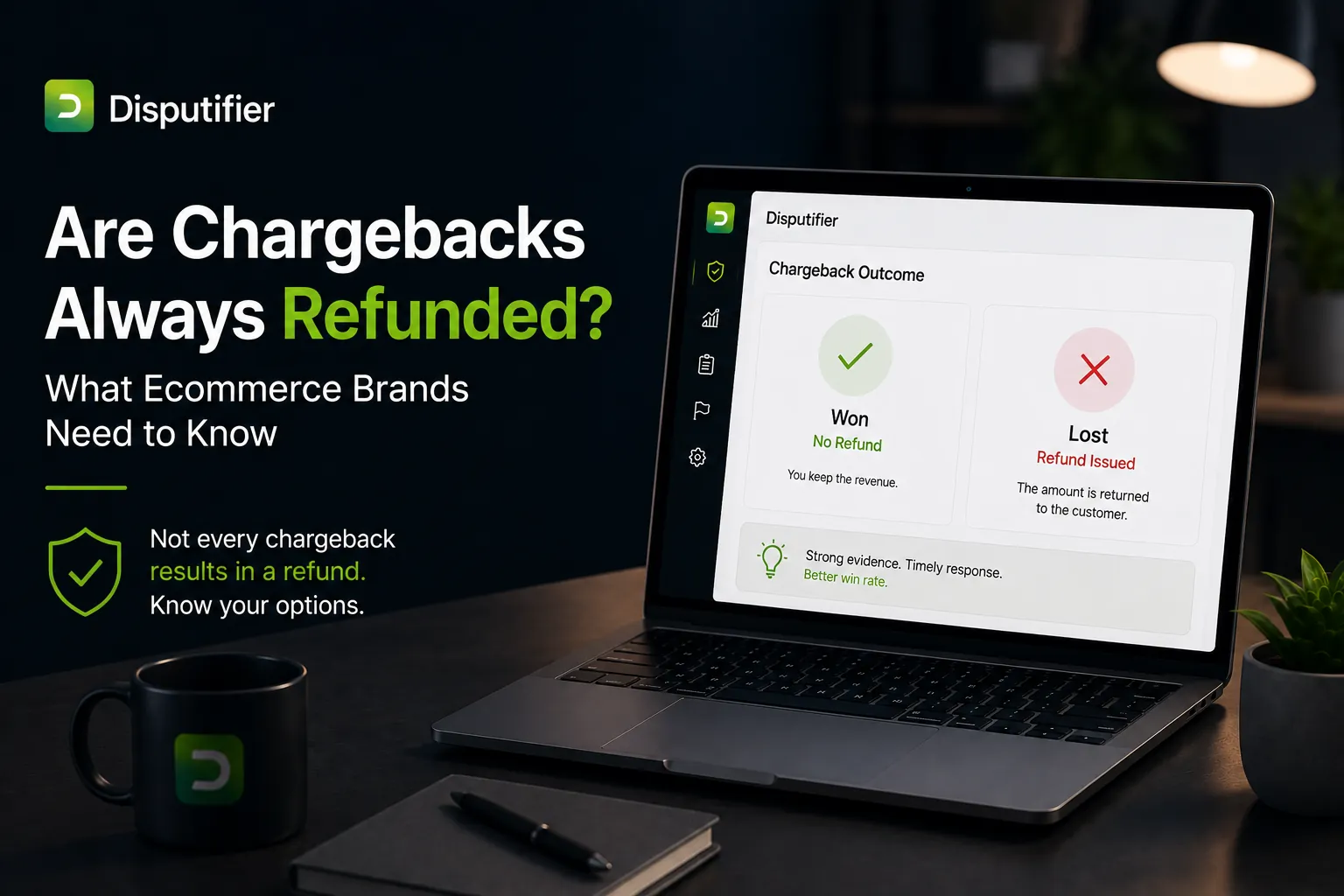
You’ll lose revenue and pay fees, but more importantly, frequent losses damage your account. See are chargebacks always refunded?.
Build Your Ecommerce Business the Smart Way
Low-cost ecommerce business ideas open doors for entrepreneurs with limited budgets. But while startup costs may be low, risks like chargebacks and fraud are high. By combining smart business models with protection tools like Disputifier, beginners can build sustainable, profitable ecommerce businesses.
Start small, validate your ideas, and let automation protect your revenue while you scale. Disputifier ensures you never have to worry about fraud or missed deadlines - so you can focus on growing your business.