 All Posts


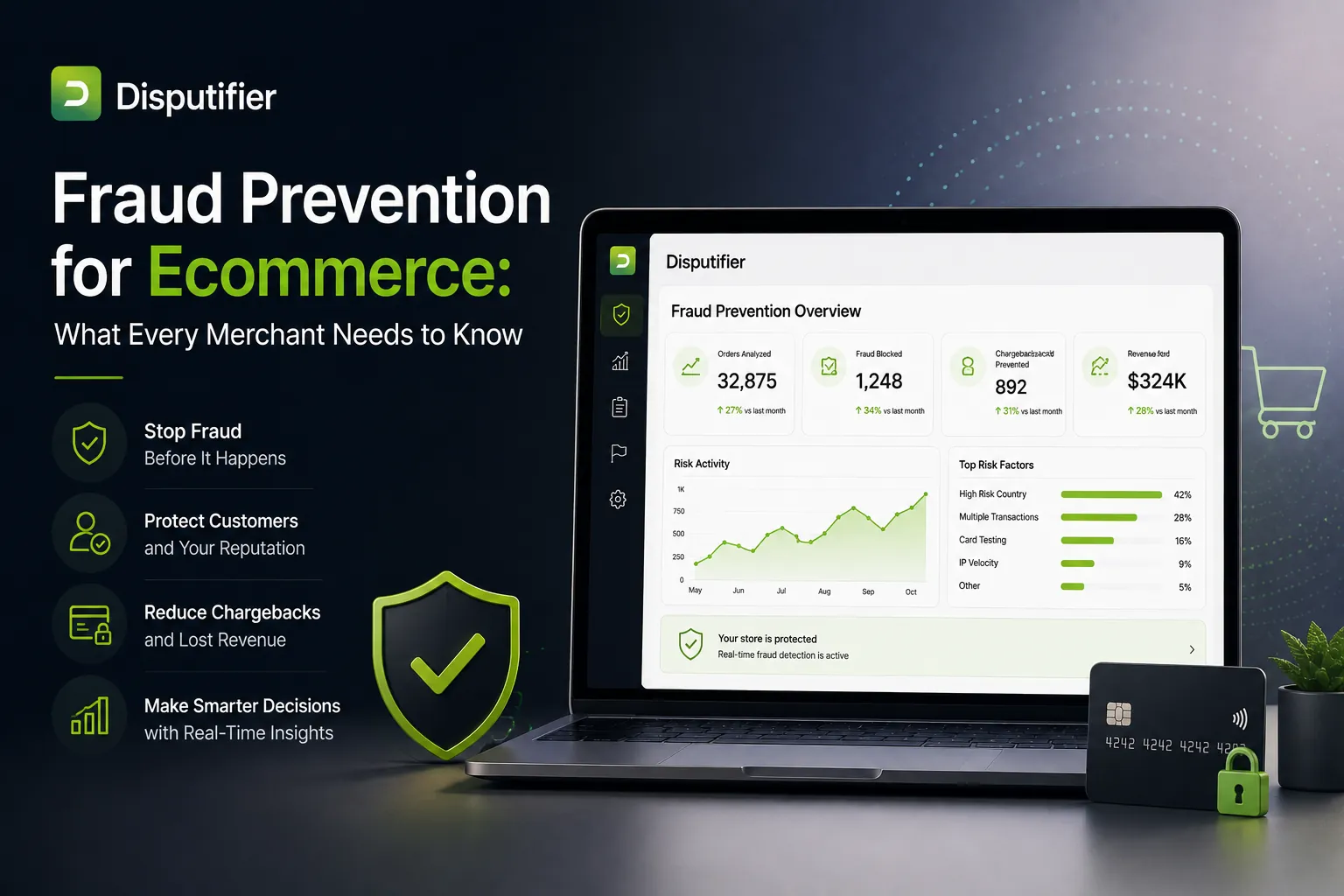
Ecommerce is booming - but so is fraud. Whether it’s friendly fraud, stolen credit cards, or subscription scams, merchants are constantly under threat. If you're not actively working on fraud prevention, you’re already behind. Chargebacks, in particular, can drain revenue, damage merchant accounts, and leave store owners frustrated and confused. Here's what you need to know about fraud prevention for ecommerce and how to protect your store from unnecessary losses.
Why Ecommerce Fraud Happens
Fraud in ecommerce occurs when someone makes a purchase using deceptive or unauthorized means. This includes:
- Friendly fraud: When a customer disputes a legitimate charge.
- Stolen credit cards: Unauthorized purchases made with stolen credentials.
- Chargeback abuse: Customers using chargebacks instead of asking for a refund.
Fraud is rising because online transactions are convenient, fast, and often anonymous. And as ecommerce grows, so do the opportunities for bad actors.
Chargebacks: The Merchant’s Nightmare
Chargebacks are one of the most common consequences of ecommerce fraud. They occur when a customer disputes a transaction with their bank. If the bank sides with the customer, the merchant loses both the product and the revenue.
Understanding the chargeback process is the first step in preventing them. Learn more about each stage in our detailed guide to chargeback dispute stages.
It’s important to understand the differences between a chargeback and a refund and chargebacks vs disputes. Knowing how to respond effectively, what counts as compelling evidence, and when to take action can greatly reduce your losses.
Key Fraud Prevention Tactics for Ecommerce Merchants
1. Use Real-Time Chargeback Alerts
Chargeback alerts give you a heads-up before a chargeback becomes official. You can respond quickly - sometimes by offering a refund or contacting the customer directly - to avoid a formal dispute.
- Learn how to set up chargeback alerts.
- Understand the difference between Ethoca vs Verifi.
- Explore the benefits of real-time alerts.
2. Strengthen Customer Communication
Keep detailed records of all communication with customers. Having proof of delivery, confirmation emails, and refund offers can be crucial in winning disputes.
- See why customer communication records matter.
- Find out how to craft a strong chargeback email to a customer.
3. Use Tokenization and Carrier Monitoring
Tokenization protects sensitive card data and reduces fraud by replacing real card details with encrypted tokens. Monitoring your shipping carriers also helps identify and resolve delivery issues before they escalate into disputes.
- Discover 5 benefits of tokenization.
- Learn how carrier monitoring reduces chargebacks.
4. Understand the Time Limits
Each payment processor has specific timeframes for chargebacks. Knowing these limits helps you avoid missed deadlines.
- Find out about the chargeback time limit.
Why You Need Disputifier
Disputifier is an all-in-one chargeback management and fraud prevention tool built specifically for ecommerce. It automates the dispute process, delivers real-time alerts, and helps merchants stay protected with powerful fraud analysis tools.
With Disputifier, you get:
- Automated responses to chargebacks.
- Real-time fraud monitoring.
- Access to compelling evidence templates.
- Insightful chargeback analytics to spot patterns and prevent future fraud.
Explore the Disputifier vs Chargeblast comparison to see why Disputifier outperforms other platforms.
Disputifier also helps with:
- PayPal chargeback prevention
- Pre-arbitration handling
- Handling chargebacks for services not rendered
- Setting up PayPal pre-chargeback alerts
- Understanding RDR alerts
If you’re a merchant who wants to stay ahead of fraud while improving win rates, Disputifier is your ultimate partner.
Learn what happens if you don’t respond to a chargeback and how Disputifier prevents that from happening.
Chargeback Analytics and Ratio Management
Keeping track of your chargeback ratio is vital. If your ratio gets too high, your merchant account may be flagged or shut down.
- Use chargeback analytics to monitor trends and identify weak spots.
- Know the signs of abuse and stop it early.
Best Practices to Implement Now
- Verify billing addresses with AVS (Address Verification Service).
- Require CVV codes at checkout.
- Use fraud scoring tools.
- Keep logs of all order confirmations, shipping data, and customer service interactions.
FAQ: Fraud Prevention for Ecommerce
How can I tell if a transaction is fraudulent?
Unusual purchase volume, mismatched addresses, and high-ticket orders from new customers are red flags.
What’s the difference between a dispute and a chargeback?
A dispute is a customer complaint; a chargeback is a formal reversal initiated by the bank. See our full breakdown here.
Are chargebacks always refunded?
Not always. If you win the dispute, the funds are returned to you. More info here.
Can I prevent all chargebacks?
No, but you can greatly reduce them with tools like Disputifier and proactive communication.
What is compelling evidence?
Documents like tracking numbers, email records, and signed agreements. More here.
Start Protecting Your Store With the Best Fraud Prevention Today
Fraud prevention isn’t optional - it’s essential. Every chargeback you prevent is money back in your pocket. Equip your store with Disputifier and start minimizing risk from day one. Your future revenue depends on the actions you take now.